
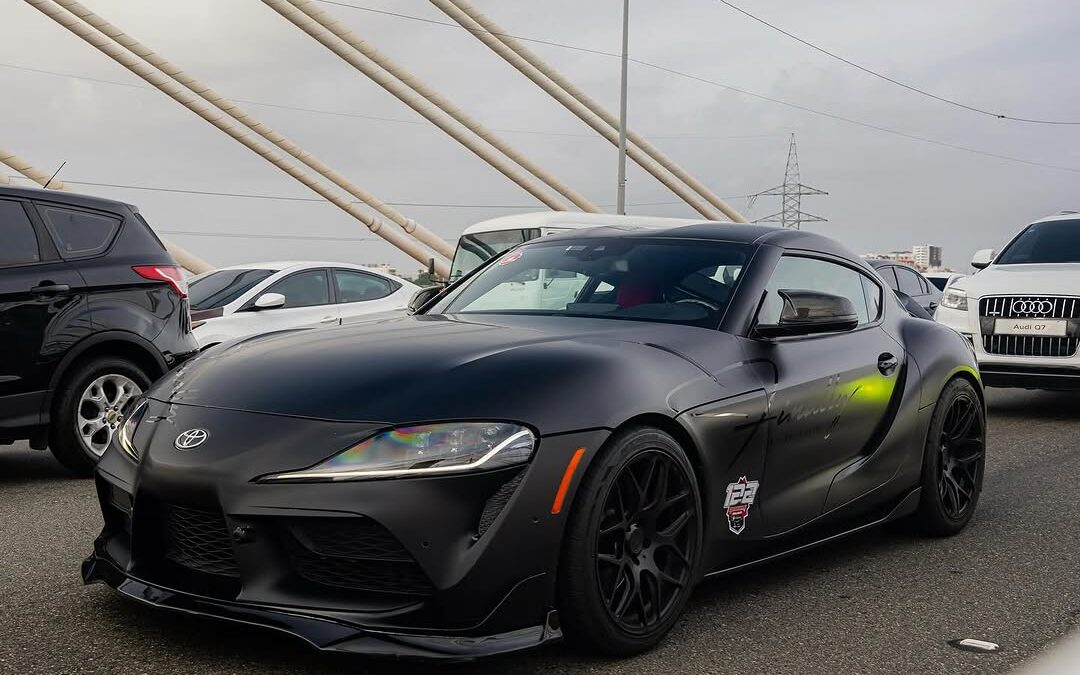
Self-healing PPF is paint protection film with an elastomeric top coat that erases light scratches and swirl marks when exposed to heat. Warmth from the sun, hot water, or a heat gun causes the surface to flow back to smooth, so minor marks disappear on their own. It’s one of the most valuable — and most misunderstood — features of modern premium film.
What is self-healing PPF?
Self-healing PPF is built on a TPU (thermoplastic polyurethane) base with a specially engineered top layer. Unlike a rigid coating, this top coat is elastic at a microscopic level. When it’s lightly scratched, applying heat lets the material relax and return to its original shape — the scratch effectively vanishes. Our 7.5 mil gloss clear film is a self-healing TPU film; more in the clear PPF guide.
How does self-healing PPF work?
The top coat is a heat-reactive polymer. Light scratches only disturb this surface layer — they don’t cut through the film. When the surface is warmed, the polymer chains regain their elasticity and pull the disturbed area back flush, erasing the mark. This is why a car with self-healing film keeps looking freshly detailed instead of building up the fine “spider web” swirl haze that dulls unprotected paint over time.
What triggers the healing?
- Sunlight — a hot day is often enough
- Warm water — pouring hot water over the panel
- A heat gun or hair dryer — the fastest method, used carefully
What self-healing does — and doesn’t — fix
| Damage | Self-heals? |
|---|---|
| Light swirl marks and wash scratches | Yes |
| Fine surface scuffs | Yes |
| Water spots / marring | Often |
| Deep gouges through the film | No |
| Rock chips that puncture the film | No (but the film absorbed the impact) |
Self-healing handles the everyday cosmetic scratches. For deep impacts, the film’s real value is that it took the hit instead of your paint.
Why self-healing matters
- Keeps that just-installed look for years with almost no effort
- Reduces the need for polishing, which thins your paint’s clearcoat over time
- Protects resale value by keeping the finish flawless
- Low maintenance — scratches often disappear during a normal warm wash
Self-healing PPF vs regular film
Cheaper films may skip the true self-healing top coat, so scratches stay visible permanently. Premium TPU film with an engineered top coat both absorbs impacts and self-heals surface marks — which is why film quality is the difference between protection that looks great for a decade and film that looks tired in a couple of years. It also lasts longer overall; see how long does PPF last.
Frequently asked questions
How does self-healing PPF work?
Its heat-reactive top coat becomes elastic when warmed, letting light scratches flow back to a smooth surface so they disappear.
How long does self-healing take?
On a hot day, minutes to hours in the sun. With a heat gun or hot water, scratches can vanish almost immediately.
Does self-healing PPF fix rock chips?
No — it heals surface scratches, not punctures. But when a rock hits, the film absorbs the impact so your paint stays chip-free.
Does self-healing wear out?
The top coat stays functional for the life of quality film (8–12 years). Cheap film loses the effect much sooner.
Eternal Shields supplies premium TPU self-healing clear PPF (7.5 mil, gloss) to installers across the U.S. Message us on WhatsApp for roll pricing.